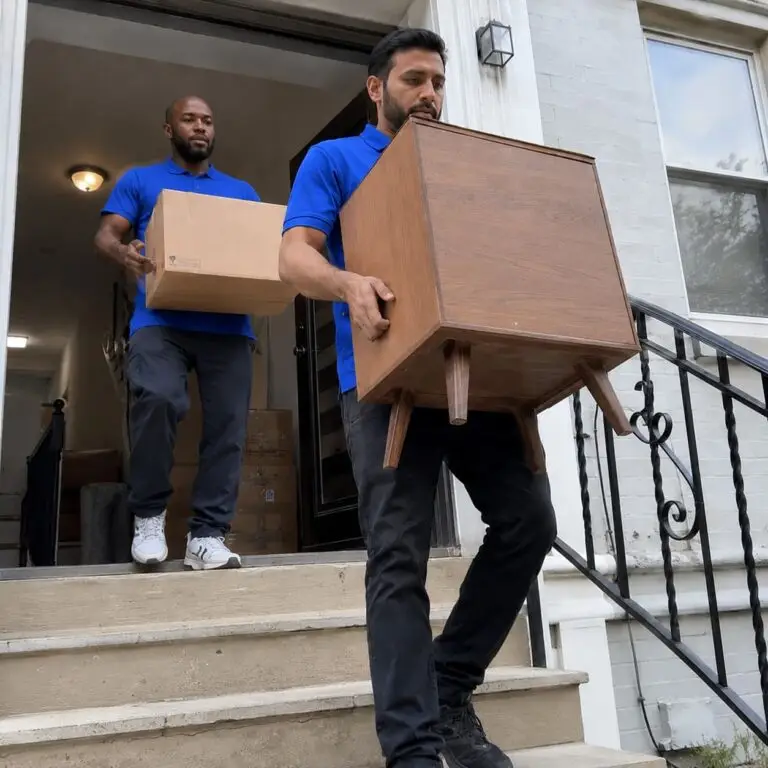
What should you do first when leaving a London uni flat?
Check your agreement before you pack. Your move-out date, notice rule, deposit position and bills can all depend on whether you are in halls, a private rented flat, an HMO or a joint tenancy. Getting that wrong can leave you paying rent after you thought you had gone.

The tenancy and notice check before anything goes into boxes
Packing is not the first job. Half-packed bags, a flatmate group chat full of unread messages and nobody sure whether the landlord needs notice is exactly how a simple summer student move out turns messy.
Private rented flats in London can be less straightforward than halls of residence. A halls room may involve an accommodation office and a licence-style arrangement, but a private rented tenancy may involve a landlord or letting agent, a deposit scheme, utility accounts and flatmates tied together on one agreement.
GOV.UK says that from 1 May 2026, most existing assured shorthold tenancies in England became assured periodic tenancies, which run on a rolling basis. GOV.UK also says a student ending an assured periodic tenancy after that date can do so by giving 2 months’ written notice, either on the rent due date or the day before the rent due date. Different rules apply to students in halls of residence, so do not assume your friend in halls has the same notice position as you.
This is general information, not legal advice.
Before you spend money on storage, a van or end-of-tenancy cleaning, check these in order:
- Agreement type. Look for words such as assured shorthold tenancy, assured periodic tenancy, licence agreement, halls of residence, HMO or joint tenancy.
- Move-out date. Find the date your agreement says you can leave, and check whether that date ends the agreement or just marks the end of a fixed period.
- Notice rule. Read the notice clause and check whether written notice must be sent by email, letter or through an accommodation portal.
- Person to tell. Confirm whether notice goes to the landlord, letting agent or accommodation office.
- Flatmate link. Check whether everyone is on one joint agreement or separate agreements, because one person’s plan may affect the whole flat.
One practical warning matters here: do this before the first flatmate leaves London. If the only person who read the tenancy agreement has gone home, the last week becomes guesswork.
The move plan for stuff, storage, donations and a London van
Every item you take costs space, time or effort. A London student van move gets easier when you decide what is worth moving before the room becomes a pile of bags.
Most students have four realistic options:
- Move it home. Clothes, laptops, course materials and bedding usually make sense to take home if you have space in a parent car or hired van.
- Store it for summer. Bulky items, kitchen kit, books and small furniture may suit student storage for summer if you are coming back to London.
- Sell or donate it. Duplicate pans, desk lamps, spare bedding and clothes you have not worn all year should earn their place in the move.
- Dispose of it properly. Broken furniture, food waste and old electrical items should not be left in cupboards or dumped in communal areas.
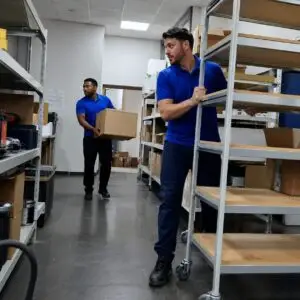
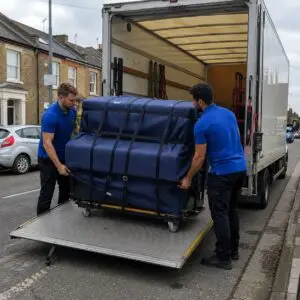
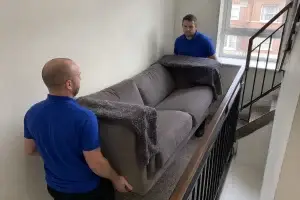
GT Removals often sees student removals in London become harder because the sorting happened too late. For students comparing a parent car, man and van, storage or a small move, useful checks include fixed written pricing, who actually turns up and whether the team is employed or app-dispatched. GT Removals also offers a 10 percent student discount with valid student ID, which is worth factoring in when you compare the real cost of doing it yourself.
London access can matter as much as the size of the room. Controlled parking zones, narrow streets, estate gates, shared entrances, lifts, loading bays and concierge rules can all slow a move. Ask the building or landlord where a van can stop, whether the lift needs booking and whether the local borough has parking suspension or loading rules for your street.
Summer and September are busy periods for student moves, so leaving the van decision until the last week can shrink your options. A ten-minute check on access can save an hour of carrying boxes from the wrong side of the road.
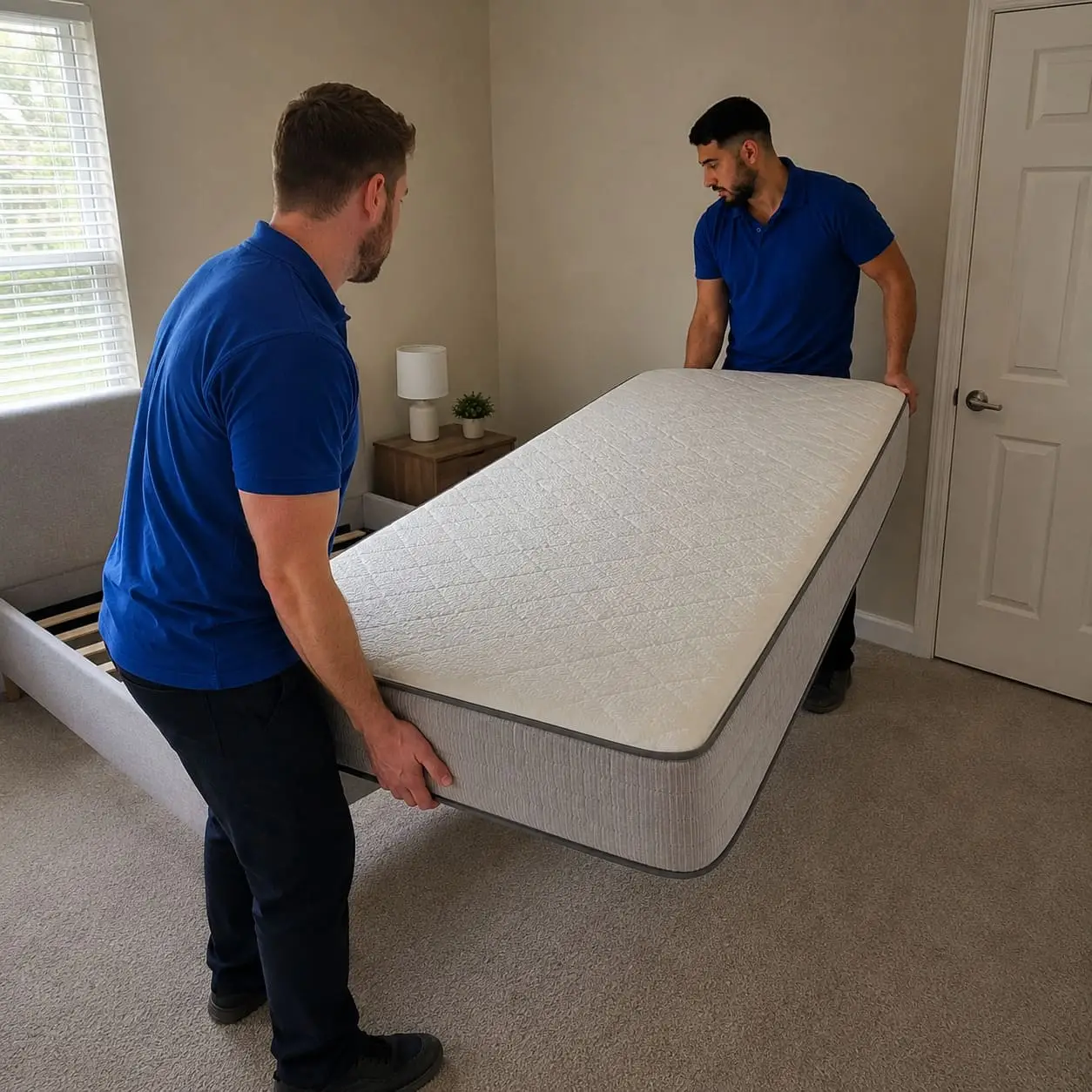
Students get 10% off every booking with a valid student ID, no code needed.
Get a Free QuoteThe packing and cleaning work that actually protects your deposit
Cleaning matters for the deposit, but a paid professional clean is not automatically required. The real target is to return the flat in the condition you found it, allowing for fair wear and tear.
The Ministry of Housing, Communities and Local Government guidance on the Tenant Fees Act 2019 says a landlord or agent cannot require a tenant to pay for a professional clean or deep clean at checkout. The same guidance says a landlord or agent may ask for cleaning to a professional standard, and fair wear and tear means defects that happen naturally or through reasonable use. A tenant also cannot be required to use a particular cleaning company.
What to clean properly
Start with the kitchen, because kitchens cause a lot of end-of-tenancy arguments. Empty the fridge, wipe the shelves, clean the oven trays, clear food cupboards and remove bin bags before the handover. Sticky shelves and abandoned freezer food read badly in photos, even if the bedroom looks fine.
Bathrooms need the same direct approach. Clean limescale, toilets, mirrors, plugholes, floors and any mould that came from poor day-to-day ventilation or lack of cleaning. Bedrooms need vacuuming, dusting, emptied drawers and a check for mattress marks, wall scuffs and stains.
Skirting boards, inside cupboards and the space behind furniture are easy to miss. Those small areas often show whether the flat was cleaned after everything was packed, or whether bags were pushed around and the final clean never really happened.
What not to assume
Do not assume the phrase “professional standard” means you must pay a named cleaning firm. It means the condition has to be good enough when judged against the inventory or schedule of condition, with reasonable use allowed.
Do not assume mess left behind is harmless because it sits in a communal room. Rubbish, food waste, abandoned items and dirty appliances can all feed into deposit deductions if the property is not left in a fit condition.
Packing has to come before cleaning. No one can clean properly around half-filled suitcases, loose pans and donation bags waiting by the door.
Photograph the property before any cleaning starts, then again after the final clean. The first set gives you evidence of the original condition, and the second set shows what was completed.

The shared flat problem nobody wants to own
Shared student houses often fail at move-out because everyone thinks someone else will do the last clean, bin run, meter photo or key return. In a joint tenancy, or where the deposit is handled as one pot, one messy room is rarely the only problem.
Picture four flatmates leaving on different dates. The first person takes their plates but leaves frozen food. The second empties their room but forgets a broken chair in the hallway. The third sends a bill screenshot but no meter photo. The last person is then standing in the kitchen with bin bags, keys, an agent arriving soon and no proof of who left what.
A simple split works better than a vague promise to “sort it later”. One person can own kitchen cupboards and fridge shelves, another can handle bins and communal rubbish, another can photograph meters and shared spaces, and the last person can return keys or confirm checkout notes. If one account holder manages broadband or utilities, everyone should agree the final balance before that person closes anything.
Where deductions are proposed, the Ministry of Housing, Communities and Local Government guidance says landlords and agents can seek costs through the tenancy deposit if the property is not left in a fit condition. Tenants should ask for evidence such as an independently produced inventory, receipts and invoices. That matters in shared flats because blame without evidence quickly turns into a flatmate argument.
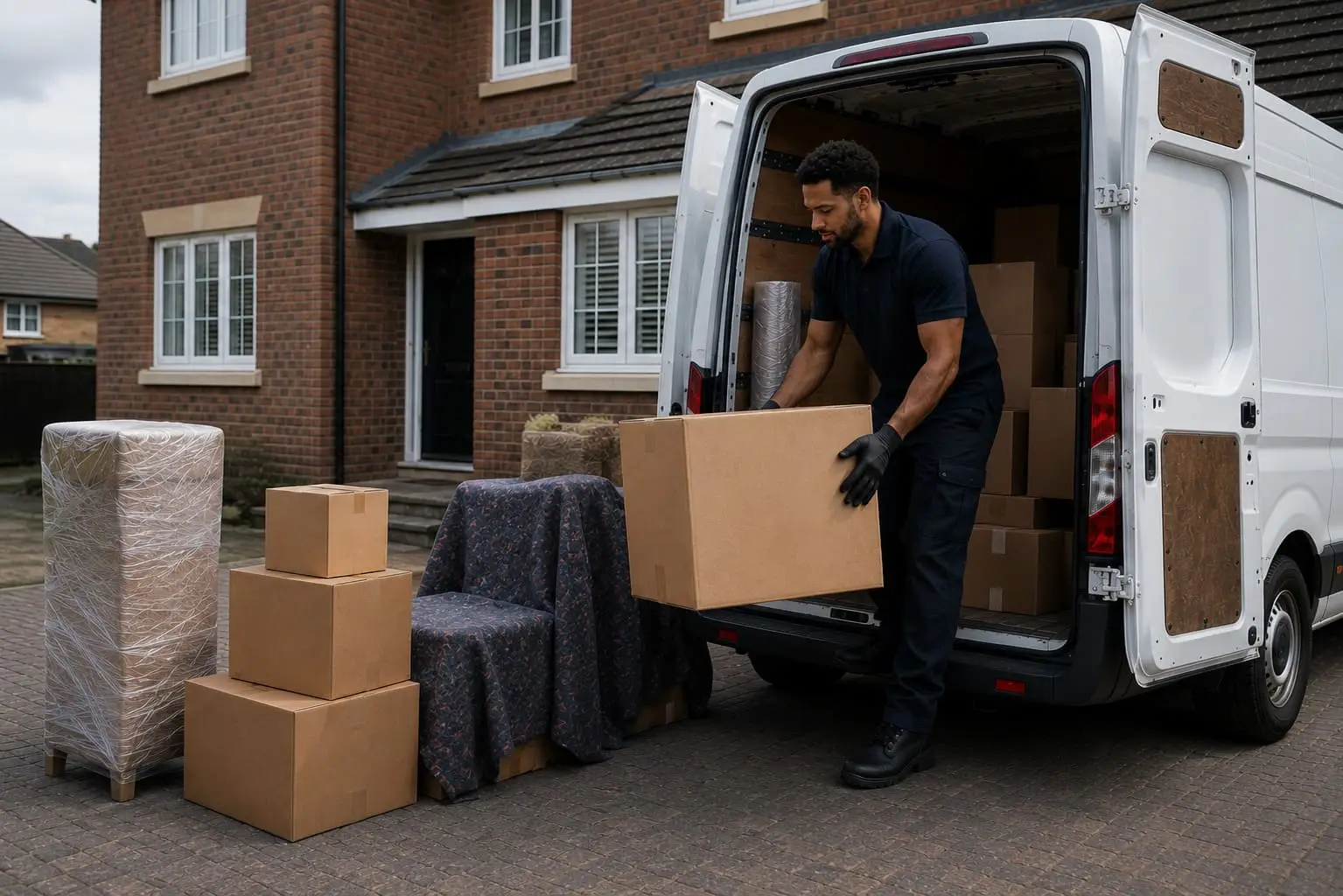
The final bills, meter readings and account closures
Final meter readings are proof, not admin clutter. Take them as close to leaving as practical, then make sure the right person sends them to the provider, landlord, letting agent or accommodation office.
- Read the meters. Photograph the gas meter, electricity meter and water meter if you have one.
- Capture the date. Use date-stamped photos where possible, or take the photos beside your phone screen showing the date.
- Tell the provider. The named account holder should close or update the utility account and ask for a final bill.
- Deal with broadband. Broadband, shared subscriptions and payment apps need one agreed person in charge, not five separate guesses.
- Share the proof. Put final readings, final bills and payment confirmations in the flat group chat or shared folder.
Forwarding contact details can also save hassle later, especially if a landlord or agent sends deposit messages after everyone has left London. Keep the tone boring and factual in writing, because screenshots age better than voice notes.
If you share bills, agree one named person to close each account and keep the confirmation in writing. That prevents duplicate contact with providers and helps with final balance checks.

The checkout evidence that matters more than a tidy room
A tidy room helps, but evidence is what protects you if a deduction is later proposed. One nice photo of a made bed is far less useful than a full set of photos that match the inventory or schedule of condition.
GOV.UK says a landlord must protect a deposit in a government-approved tenancy deposit scheme if the tenant rents on an assured shorthold tenancy that started after 6 April 2007. In England and Wales, the named schemes are Deposit Protection Service, MyDeposits and Tenancy Deposit Scheme. GOV.UK also says the landlord or letting agent must protect the deposit within 30 days of receiving it.
For checkout photos, walk through the flat as if you are answering the future question: “What condition was it in when you left?”
- Bedroom. Photograph the bed frame, mattress, walls, floor, desk, chair, wardrobe, drawers, windowsill and inside cupboards.
- Kitchen. Photograph the oven, hob, oven trays, fridge shelves, freezer drawers, sink, worktops, cupboards, floor and any items left by agreement.
- Bathroom. Photograph the toilet, sink, bath or shower, mirror, floor, tiles, plugholes and any existing marks.
- Communal areas. Photograph the hallway, living room, shared bathroom, stairs, entry door and any communal furniture listed on the inventory.
- Meters and keys. Photograph meter readings, keys, fobs, parking permits and any key handover receipt or checkout note.
Save the photos, video walkthrough, emails, checkout report and landlord or agent messages in one folder. Random images in a camera roll are harder to use than a dated folder that tells the whole story.
The deposit deduction misconception that catches students out
The misconception is simple: many students think the deposit clock starts when the keys go back.
The reality is different. GOV.UK says the landlord must return the deposit within 10 days of both sides agreeing how much will be returned. That is not the same as 10 days after move-out, and it is not the same as 10 days after you leave the keys at reception.
A proposed deduction is also not the same as a proven deduction. If cleaning, repair or replacement costs appear, ask for the inventory or schedule of condition, checkout report, receipts and invoices. If a dispute starts, GOV.UK says the deposit remains protected in the tenancy deposit protection scheme until the issue is sorted out.
The common misconception to drop is that silence means you have no options. A landlord claim still needs evidence, and an agreed amount only exists once both sides have actually agreed it.
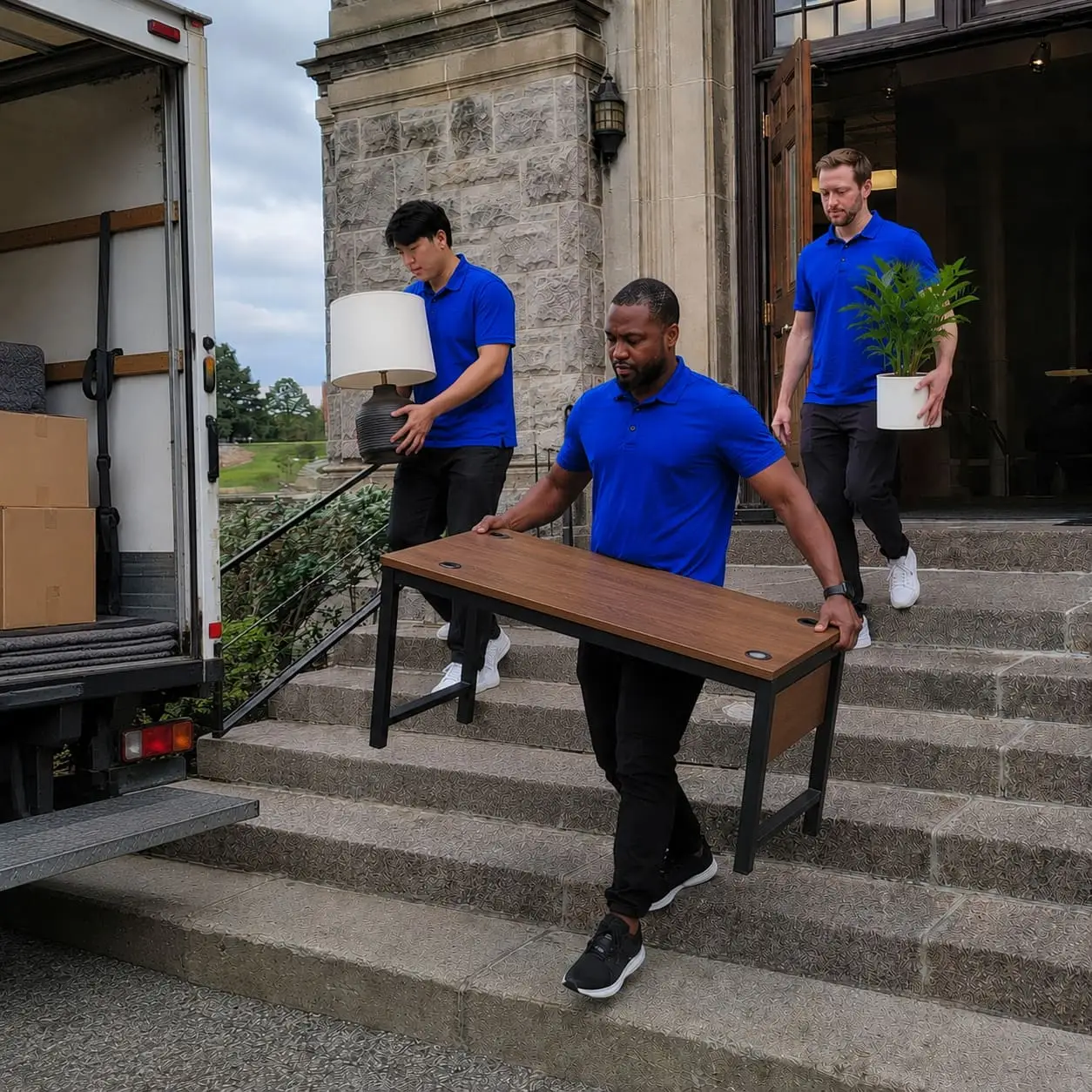
We can store your things over the holidays and bring them back for the new term.
Get a Free QuoteFrequently asked questions
Can my landlord make me pay for professional cleaning?
A landlord or agent cannot require you to pay for a professional clean or deep clean at checkout. They can expect the property to be returned in the condition you found it, allowing for fair wear and tear.
What should I photograph before leaving a rented student flat?
Photograph the whole property, including the bedroom, kitchen, bathroom, communal areas, meters, keys and any existing marks. Match your photos to the inventory or schedule of condition wherever possible.
What happens if one flatmate leaves the house messy?
Mess in communal areas can affect the whole flat, especially where the tenancy or deposit is shared. Keep evidence, agree who is doing each final job and record anything one person has left behind.
When should I take final meter readings?
Take final meter readings as close to leaving as practical. Photograph the readings and share them with the account holder, provider, landlord, letting agent or accommodation office as needed.
Should I use storage or move everything home for summer?
Storage can make sense if you are coming back to London and have bulky items you will use again. Moving everything home works better when you have space, fewer items and no need to pay for storing things you no longer want.